
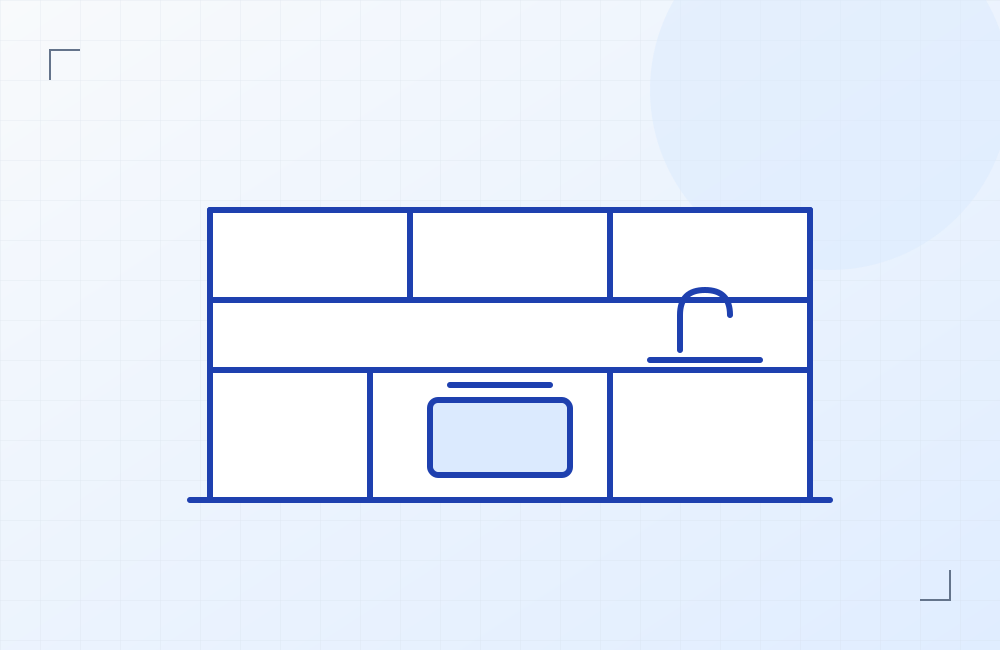
An outdoor kitchen can range from a grill with a nearby work surface to a larger setup with storage and appliances. Start with how you expect to use it rather than trying to include every feature.
If most preparation will still happen indoors, you may need less equipment outside than you first thought.
Make a simple working layout
Think about where food is prepared, served, and cleared away. Include a place to put dishes and equipment while keeping the main walking route out of the cooking area.
Review the exact appliances with the installer. Ask about their location requirements, connections, protection, and access for servicing before building the surrounding cabinetry or counters.
Plan for the months you won’t use it
Ask how each part is stored, covered, cleaned, or prepared for seasonal changes. Include somewhere for utensils, cushions, and loose items to go.
Price the complete setup, including preparation and installation, rather than adding up appliance prices alone. A smaller outdoor kitchen that is easy to use and maintain may suit you better than a larger one that takes over the garden.